Larry Silverstein and Albert Bourla are prominent business leaders whose careers illustrate how leadership can influence industries with very different priorities. Silverstein is widely known for his work in commercial real estate and his central role in the redevelopment of the World Trade Center site in Lower Manhattan. Bourla, a veterinarian by training and pharmaceutical executive, is recognized for leading Pfizer through a period of major scientific achievement, public scrutiny, and global demand for vaccines and medicines.
Although their professional backgrounds differ significantly, both have operated in environments where long-term planning, complex stakeholder relationships, financial decisions, and public expectations play important roles.
Understanding Larry Silverstein and Albert Bourla requires looking beyond their public profiles. Their careers offer a useful way to examine how executives approach risk, manage large organizations, respond to crises, and create lasting business value.
There is no widely established professional partnership between the two men that defines their public careers. Instead, comparing them provides insight into two distinct forms of corporate leadership: developing and managing major physical assets, and directing a global pharmaceutical company whose work affects public health.
Who Is Larry Silverstein?
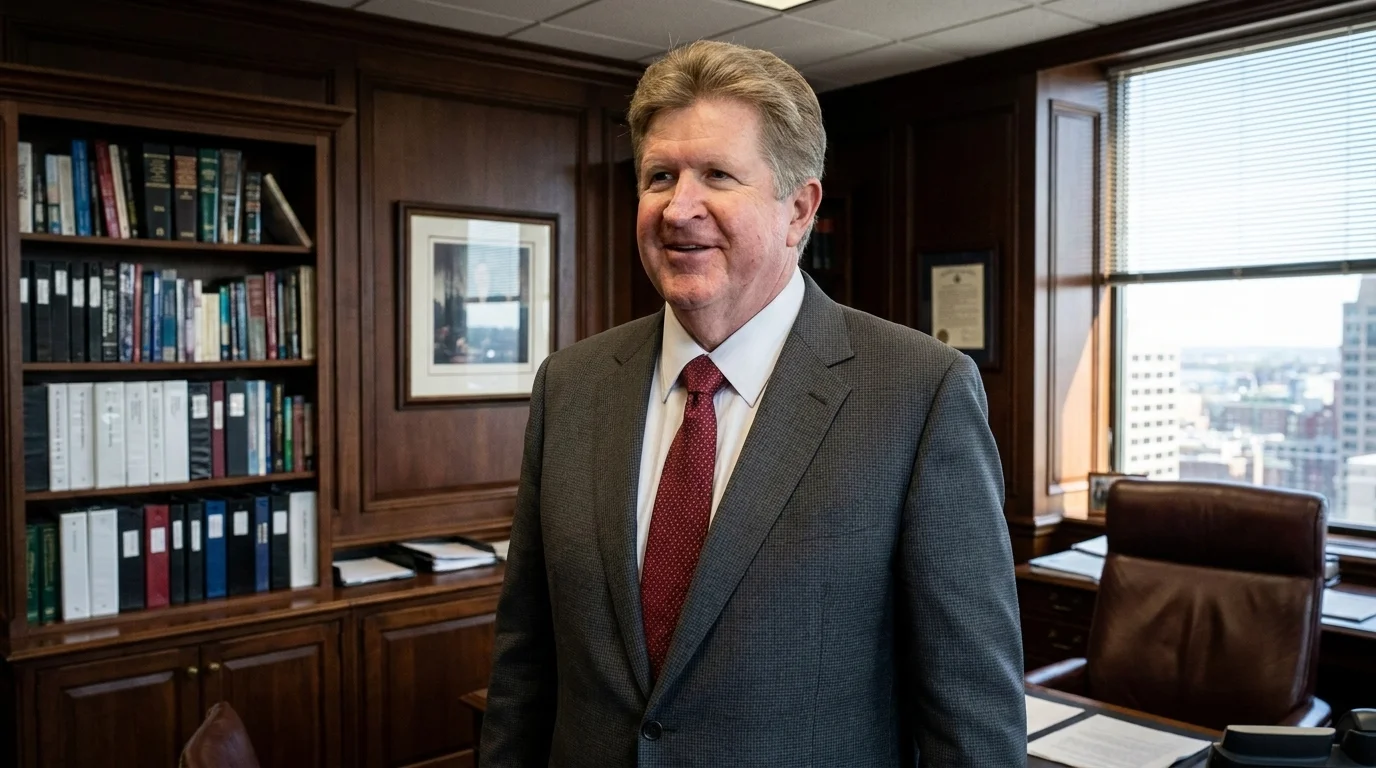
Larry Silverstein’s Big World Trade Center Bet Is Paying Off – Commercial Observer
Larry Silverstein is an American real estate developer best known as the chairman of Silverstein Properties, a company involved in commercial real estate ownership, development, and management.
His career has been closely associated with New York City, where commercial buildings, office demand, financing conditions, and urban development policies shape the real estate market.
His background in commercial real estate
Silverstein built his career through property investment, leasing, development, and the management of commercial buildings. His work reflects a business model in which value is created over long periods rather than through a single product launch or transaction.
Commercial real estate requires executives to coordinate multiple elements, including:
- Property acquisition and financing
- Architectural planning and construction
- Leasing and tenant relationships
- Building operations and maintenance
- Regulatory compliance and insurance
- Long-term asset management
Each decision can have financial consequences for years. A development may require substantial capital before it generates rental income, making financial discipline and the ability to manage uncertainty essential.
Silverstein’s experience demonstrates how real estate leadership involves much more than purchasing buildings. Developers must bring together lenders, contractors, architects, tenants, public officials, insurers, and investors to turn complex plans into functioning properties.
His connection to the World Trade Center
Silverstein’s public profile became inseparable from the World Trade Center after Silverstein Properties acquired a 99-year lease on much of the complex in July 2001.
The September 11 terrorist attacks destroyed the original Twin Towers and caused extensive damage across the World Trade Center site. The resulting redevelopment became one of the most complex and closely watched urban reconstruction projects in modern American history.
The work involved not only rebuilding commercial space but also addressing memorialization, transportation, public access, security, insurance disputes, financing, and the future of Lower Manhattan.
Silverstein’s role placed him within a complicated network of public agencies, private businesses, and other stakeholders. The redevelopment illustrates the challenges of managing a major real estate project when commercial objectives intersect with national tragedy and public responsibility.
What Silverstein’s career reveals about leadership
A defining feature of commercial property development is the long time horizon. Projects can take years to plan and build, and their financial performance depends on market conditions that may change before completion.
For a developer, effective leadership means balancing immediate financial pressures with the future usefulness and marketability of an asset. It also means recognizing that a building’s importance can extend beyond its rental income, particularly when it occupies a significant place in a city’s history.
Silverstein’s career offers an example of leadership centered on capital allocation, negotiation, physical infrastructure, and long-term investment.
Who Is Albert Bourla?
Pfizer’s Albert Bourla on how the pandemic ends – Atlantic Council
Albert Bourla is a Greek-born American pharmaceutical executive who serves as chairman and chief executive officer of Pfizer. He became CEO in January 2019 and brought decades of experience in pharmaceutical operations, international management, and commercial strategy to the position. Pfizer+1
His career offers a different perspective on corporate leadership. Rather than overseeing physical properties and long-term construction projects, Bourla leads an organization responsible for researching, developing, manufacturing, and distributing medicines and vaccines.
His education and professional background
Born in Thessaloniki, Greece, Bourla earned a Doctor of Veterinary Medicine degree and a Ph.D. in the biotechnology of reproduction from Aristotle University of Thessaloniki.
He joined Pfizer in 1993, initially working in its Animal Health division in Greece. Over time, he assumed leadership positions across several international markets and business areas before moving into senior global management.
His responsibilities expanded to include commercial operations, product development, vaccines, oncology, and other pharmaceutical businesses. This progression gave him experience in scientific research, international markets, manufacturing, and business development before he became CEO. Pfizer+1
Bourla’s career demonstrates how leadership in a science-driven industry often requires combining technical understanding with financial judgment and organizational management. Pharmaceutical companies must make investment decisions long before a medicine’s commercial potential or clinical success is certain.
Leading Pfizer during the COVID-19 pandemic
Bourla’s tenure became particularly prominent during the COVID-19 pandemic. Pfizer partnered with German biotechnology company BioNTech to develop an mRNA-based vaccine against COVID-19.
The collaboration brought together scientific research, clinical development, regulatory review, manufacturing, and international distribution. The vaccine received its first emergency use authorization from the U.S. Food and Drug Administration in December 2020.
The rapid development and deployment of the vaccine demonstrated the potential of coordinated scientific research and large-scale manufacturing. It also placed pharmaceutical executives under intense public scrutiny.
Pfizer faced questions about vaccine access, pricing, public communication, safety monitoring, and the responsibilities of pharmaceutical companies during a global health emergency. The pandemic highlighted the fact that scientific progress and public confidence are related but distinct challenges.
Bourla’s leadership during this period became a major part of his public profile. Nevertheless, Pfizer’s business extends well beyond COVID-19 products, encompassing cancer treatments, vaccines, and medicines for numerous other conditions. Pfizer+1
Pfizer’s strategy beyond the pandemic
As Pfizer’s CEO, Bourla has emphasized investment in scientific innovation and the development of medicines with significant potential to address unmet medical needs.
Research-intensive pharmaceutical companies operate under conditions of substantial uncertainty. Drug candidates can fail during development, clinical trials can produce unexpected results, and regulatory authorities may require additional evidence before approving a treatment.
A successful pharmaceutical strategy therefore requires more than identifying promising scientific ideas. Executives must allocate research budgets, build development capabilities, assess acquisition opportunities, and decide which projects deserve continued investment.
Pfizer’s acquisition of oncology-focused biotechnology company Seagen in 2023 was an important example of its effort to strengthen its cancer-treatment portfolio. The company has also continued to invest in other therapeutic areas and emerging technologies. Pfizer+1
These priorities illustrate the difference between managing a mature asset and investing in a potential medical breakthrough. A commercial building can generate rental income for decades, while a pharmaceutical research program may require years of spending before its ultimate value becomes clear.
Larry Silverstein and Albert Bourla: Key Differences
Although Larry Silverstein and Albert Bourla are both established corporate leaders, their responsibilities, industries, and measures of success differ substantially.
The following comparison highlights the most useful distinctions.
| Category | Larry Silverstein | Albert Bourla |
|---|---|---|
| Primary industry | Commercial real estate | Pharmaceuticals and biotechnology |
| Organization | Silverstein Properties | Pfizer |
| Leadership focus | Property development, investment, and asset management | Scientific innovation, medicines, and global operations |
| Major public association | World Trade Center redevelopment | Pfizer’s COVID-19 vaccine collaboration and pharmaceutical strategy |
| Typical investment horizon | Long-term property ownership and development | Research, clinical development, manufacturing, and product commercialization |
| Central challenges | Financing, construction, leasing, regulation, and urban development | Clinical risk, regulatory approval, research investment, manufacturing, and healthcare access |
| Measures of performance | Asset value, occupancy, rental income, project delivery, and investment returns | Research progress, approved medicines, product performance, financial results, and patient impact |
The comparison shows that executive leadership is shaped by the environment in which decisions must be made. A real estate developer and a pharmaceutical CEO may both need to manage uncertainty, but the underlying risks are not interchangeable.
What Their Leadership Styles Have in Common
Despite their different professional backgrounds, Silverstein and Bourla illustrate several principles that are relevant to business leaders across industries.
1. Managing risk without avoiding ambitious goals
Both real estate development and pharmaceutical research require substantial investment under uncertain conditions.
A property developer may commit capital to a project before knowing how office demand or financing conditions will evolve. A pharmaceutical company may spend years developing a medicine without knowing whether it will succeed in clinical trials.
In both cases, leaders must evaluate potential returns, establish safeguards, and decide when a project deserves additional resources.
The lesson is not that risk should be eliminated. Rather, effective management requires understanding the nature of the risk, assessing possible outcomes, and making decisions that remain defensible when circumstances change.
2. Coordinating complex organizations
Major real estate projects depend on cooperation among architects, engineers, contractors, lenders, tenants, regulators, and public agencies.
Pharmaceutical development involves scientists, clinicians, manufacturing specialists, regulatory experts, distributors, healthcare providers, and commercial teams.
Neither executive can personally perform every task required to deliver results. Leadership depends on setting priorities, assigning responsibilities, resolving competing interests, and maintaining coordination across specialized teams.
This is especially important when a project spans multiple years or countries.
3. Thinking beyond immediate financial results
Short-term financial performance matters, but it does not tell the entire story of either business.
A property investment may require years of construction and leasing before reaching its intended performance. A pharmaceutical research program may initially reduce earnings while building the foundation for future products.
Executives must therefore balance current financial obligations with investments intended to create future value.
That balance is difficult because shareholders, lenders, employees, customers, and other stakeholders may have different expectations about timing and acceptable risk.
4. Responding to public expectations
Silverstein’s association with the World Trade Center redevelopment places his work within a project of profound historical and civic importance. Bourla’s leadership during the COVID-19 pandemic placed Pfizer at the center of global discussions about public health, scientific evidence, and access to medicines.
These situations show that major business decisions can have consequences beyond the organizations making them.
Public trust becomes particularly important when commercial interests intersect with social needs. Leaders must communicate clearly, acknowledge uncertainty, and recognize that technical or financial achievements do not automatically resolve every public concern.
How Their Industries Shape Their Decisions
Understanding these executives also requires examining the economic forces that influence their industries.
Commercial real estate and the long-term value of property
Real estate companies operate within a market shaped by interest rates, construction costs, employment patterns, tenant demand, zoning, and demographic changes.
Office buildings face additional challenges as employers reconsider how much physical space they need. Developers must determine whether to construct new properties, renovate existing buildings, diversify their portfolios, or explore alternative uses for underperforming assets.
For a company such as Silverstein Properties, the quality of an investment depends on more than its location or size. Financing terms, tenant demand, operating expenses, and the property’s ability to remain useful over time all matter.
The World Trade Center redevelopment also demonstrates that urban real estate can carry symbolic and civic importance alongside its commercial value.
Pharmaceuticals and the economics of innovation
Pharmaceutical companies face a different set of pressures. They must fund research, navigate clinical trials, satisfy regulatory requirements, protect intellectual property, and establish manufacturing systems capable of meeting demand.
Even an effective medicine may face commercial challenges involving competition, reimbursement, affordability, and access.
At the same time, scientific breakthroughs can transform treatment options and create new markets. Advances in biotechnology, precision medicine, oncology, and artificial intelligence may influence how pharmaceutical companies discover and develop future therapies.
For Pfizer, strategic decisions involve determining where scientific opportunities, patient needs, and sustainable business models intersect. Bourla’s role is to oversee those competing priorities while maintaining the company’s operational and financial responsibilities. Pfizer+1
Are Larry Silverstein and Albert Bourla Connected?
There is no widely documented direct business partnership between Larry Silverstein and Albert Bourla that serves as a defining feature of their public careers.
Their names are more appropriately considered together in the context of corporate leadership, business strategy, and the influence of major executives on American industries.
Silverstein’s professional work centers on commercial real estate and urban redevelopment. Bourla’s career centers on pharmaceutical research, corporate management, and global healthcare.
Their inclusion in the same search query does not, by itself, establish a personal relationship, shared investment, or joint project. Readers looking for a specific connection should distinguish verified business relationships from comparisons based on professional prominence.
This distinction is important for accurate biographical writing, particularly when search terms combine the names of two well-known individuals.
Lessons Entrepreneurs Can Learn From Both Executives
The careers of Silverstein and Bourla offer practical lessons for entrepreneurs, investors, and business managers.
Build expertise before scaling
Bourla advanced through multiple roles at Pfizer before becoming CEO, while Silverstein developed a long career in real estate investment and development. Their professional histories illustrate the value of understanding an industry before making decisions at its highest levels.
Entrepreneurs can apply this principle by learning their market, understanding customer needs, and developing operational knowledge before expanding aggressively.
Match investment decisions to the business model
A property developer and a pharmaceutical company cannot use identical investment criteria. Their assets, risks, revenue cycles, and regulatory requirements differ.
Business owners should establish financial plans that reflect the realities of their industries rather than adopting strategies simply because they work elsewhere.
Prepare for setbacks
Large projects rarely proceed exactly as planned. Construction delays, market shifts, research failures, and regulatory obstacles can force organizations to reconsider their priorities.
Effective leaders prepare for uncertainty by monitoring performance, maintaining appropriate financial flexibility, and establishing clear decision-making processes.
Recognize the importance of stakeholders
Investors and customers matter, but so do employees, communities, regulators, suppliers, and other groups affected by business decisions.
Considering these relationships early can help organizations anticipate challenges, communicate more effectively, and make decisions that are more sustainable over time.
Frequently Asked Questions
Who is Larry Silverstein?
Larry Silverstein is an American real estate developer and the founder and chairman of Silverstein Properties. He is particularly known for his role in rebuilding portions of the World Trade Center site following the September 11, 2001, terrorist attacks. Silverstein Properties+1
Who is Albert Bourla?
Albert Bourla is a Greek-born pharmaceutical executive and the chairman and CEO of Pfizer. He became CEO in January 2019 and is widely associated with the company’s pharmaceutical strategy and its COVID-19 vaccine collaboration with BioNTech. Pfizer+1
What companies are associated with Larry Silverstein and Albert Bourla?
Larry Silverstein is associated with Silverstein Properties, a commercial real estate development, investment, and management company. Albert Bourla is associated with Pfizer, a global pharmaceutical company.
Are Larry Silverstein and Albert Bourla business partners?
No widely documented direct business partnership between the two men is established in the commonly available biographies of their professional careers. Their names can be compared because both have held influential leadership positions in major industries.
What is Larry Silverstein best known for?
Silverstein is best known for his long career in commercial real estate and his role in the redevelopment of the World Trade Center site in Lower Manhattan after the September 11 attacks.
What is Albert Bourla best known for?
Bourla is particularly known for leading Pfizer and overseeing its strategic direction during the COVID-19 pandemic, including the company’s vaccine collaboration with BioNTech.
What is the main difference between their leadership responsibilities?
Silverstein’s work focuses on property investment, development, construction, and long-term asset management. Bourla’s responsibilities focus on pharmaceutical innovation, research investment, manufacturing, regulatory requirements, and the commercial performance of medicines.
How did Albert Bourla become CEO of Pfizer?
Bourla joined Pfizer in 1993 and held increasingly senior positions across its international and global business operations. His experience in animal health, commercial management, and innovative pharmaceutical businesses preceded his appointment as CEO in January 2019. Pfizer+1
Why is the World Trade Center important to Larry Silverstein’s career?
Silverstein signed a 99-year lease involving the World Trade Center complex in July 2001. Following the September 11 attacks, he became a central private-sector figure in the lengthy and complex redevelopment of the site.
What can business owners learn from comparing these executives?
Business owners can learn the importance of industry expertise, Larry Silverstein and Albert Bourla long-term planning, disciplined investment, risk management, and stakeholder communication. Their careers also demonstrate that effective leadership must adapt to the specific economic and operational demands of each industry.
Conclusion
Larry Silverstein and Albert Bourla represent two distinct approaches to leadership in American business. Silverstein’s career highlights the complexity of commercial real estate investment and the long-term challenge of rebuilding a historically significant urban site. Bourla’s career illustrates the demands of pharmaceutical leadership, where scientific innovation, regulatory oversight, manufacturing, and public health intersect.
Although their professional paths differ, both demonstrate the importance of strategic planning, organizational coordination, and decision-making under uncertainty.
For readers interested in business leadership, their careers provide a useful reminder that there is no single formula for executive success. The most effective approach depends on the industry, the risks involved, the people affected, and the long-term objectives an organization seeks to achieve.